Slow Practice
is always effective practice
Slow practice is something most people do when learning a new piece or scale. As soon as they think they've "got it" they start playing faster. This is often where mistakes creep in and are practiced... and once a mistake is practiced into a piece it is very hard to unlearn.
It is often a good idea to use a metronome when practicing slowly to make sure you are not speeding up when playing.
Fast technique slowly?
One problem with slow practice is techniques for slow and fast playing are different on most instruments. If the final tempo of a piece you are learning is presto, for instance, you may need some very different techniques when playing it presto to those used when practicing slowly. Slow practice is extremely important though because it enables you to get the notes 100% correct every time, which of course makes progress much faster. It's no good, however, having totally correct notes if you can only play them at half speed!
There are several keys to solving this problem
The same - but different
Find a piece or passage with similar tempo requirement and similar challenges which you have learned before. Play through this and focus on your muscle movements. What is your body doing when playing? How are your muscles moving? How much weight is there on your hand, fingers etc.
Once you are aware of the muscular and technical requirements play through your new piece slowly applying the same hand or finger positions, tonguing techniques and muscular movement and weight to your instrument. This can be quite challenging for some to start with, but it is worth persevering. This is one way to ensure you are using techniques suitable for a faster tempo, even if playing slowly using these techniques sounds a little funny.
Break it down
Another technique is to break the piece down enough to enable you to play even the new parts at approaching the final tempo. An example of this is separate hands practice on the piano. Although it is often very challenging to play new pieces hands together at tempo early on, it is usually possible to play them much nearer the final tempo separate hands. Do this and concentrate on muscular movement, weight etc. as above and transfer this knowledge to your slow practice. Using this method makes it much easier to check your techniques at tempo as well
All right for pianists... what about me?
This method may be used with any instrument. You just need to find a way of breaking things down so you can practice separate hands. E.g., string players can try moving their fingers across the strings without bowing (or maybe playing pizzicato instead). They could also practice just the bowing on open strings.
Similarly woodwind and brass players may finger the notes and practice the tonguing separately on a single note.
The reality is you need to practice slowly... but there are pitfalls - so be aware and make sure you are using the correct techniques for the final tempo, not the slow practice tempo.
Expert Practice Secrets
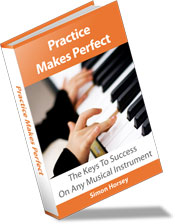
Frustrated with your practice? Read Practice Makes Perfect and hack the 10,000 hour rule. Cut your practice time by up to 25%! Make faster progress, learn pieces and scales faster, memorize more easily, and much more. "If you play an instrument you need this book!"
Recent Articles


-
From an opera singer, on her death bed to Leonard Bernstein
Jan 29, 24 03:36 PM
I enjoy reading the music more than hearing it. From an opera singer, on her death bed to Leonard Bernstein -
unknown
Jan 29, 24 02:52 PM
Not happy with your tone? Practice more. -
Baglama Lesson, Tarditional Turkish Music
Oct 17, 17 06:51 PM
I took my online lessons from an Azerbaijani musician in Istanbul. I could find him from his website. I put here for in-need people. I am very satisfied
New! Comments
Have your say about what you've just read!Leave me a comment in the box below.