How to encourage practice
The two best ways to encourage practice are also the most obvious:
Be involved
Be interested
Taking time to listen to your child practice is one of the best ways you can encourage practice. There are many great practice games you can play with them and against them. Give them a reward when they win... maybe releasing them from a particular chore they have to do, allowing them to stay out or up for an extra half hour, collecting practice points that lead to something they want... there are many ways to encourage practice and the best ones involve being there when it is taking place.
I don't want you here
If a child isn’t used to you sitting in on their practice session they may not be too happy about you starting! Assure them you are not there to be judgmental, but that you are interested in what they are doing... maybe even thinking you could learn something of the instrument yourself. Get them to show you what they are doing. One of the best ways to learn is to teach somebody else. If there is something you think they aren’t doing quite correctly try and help them see the error through open questioning, rather than just telling them you think they are wrong.
Children are very adaptable and will quickly become used to your presence in the practice room... especially if you being there involves games and competitions that either carry instant rewards or points towards a long term bigger reward. This will encourage practice in itself. The key thing is for the student to enjoy the sensation of being well prepared for the next lesson and to feel a sense of achievement when he or she has hit all the targets from the teacher. You will also be on hand to calm any frustrations with certain passages, help break them down into smaller sections and explain how fantastic it will feel once the difficult part has been achieved!
A musical prize to encourage practice
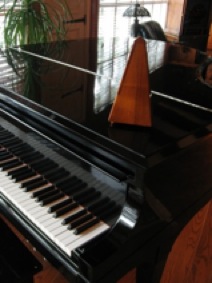
One way to encourage students musically is to get them to work towards a musical prize. Talk to them about a particular piece of music related equipment or a particular book with tunes in they may like to learn, but that aren’t part of their work for their teacher. Free time playing whatever they like on their instrument should also be built up to be seen as a reward once their targets are achieved. E.g., talk to them about how cool metronomes are, how they help you learn pieces and scales faster etc, and work out a points system for buying one. Points may be gained by good practice habits, good comments from teachers, a good performance in a concert. This system often works wonders and one parent told me once that one of my students arrived home from her lesson and only needed 9 more points to achieve the total for the metronome. He worked out he could get five during the week and two from his lesson, so he would need to wait another week. He begged his mom to make an exception to the ‘musical points for musical actions’ rule and allow him to score five points (very astute of him to allow for missing one of his practice points) if he did the dishes for the next five days. She agreed and he came bounding in next lesson waving the metronome at me and asking for practice exercises that used it.
Instrument upgrade
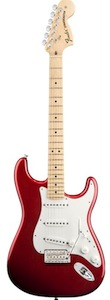
This is a slightly longer term goal for students, but something you should have in mind nevertheless. An instrument upgrade should happen because the student has outgrown or out-progressed their current instrument, not because their friend has one and they want one too! Make sure the student knows that a new instrument is a reward for progress made, not just something that will happen automatically. After all, instruments are expensive and without proof that progress will be made in future probably not a worthwhile investment.
As students progress the features of an instrument that made it perfect for a beginner (a large, easy-blowing bore on a clarinet for instance) become more of a hinderance. Their range expands and those high notes need more breath control - much easier with a narrower bore. Some manufacturers actually advertise the level an instrument is suitable to be used at and most teachers and knowledgeable assistants in music shops will be able to tell you. Don’t make the mistake of buying something too advanced too early though. A beginner instrument is just that... a beginner instrument. It has certain features that make it easier to play in the early stages allowing students to gain enjoyment and confidence instead of disappointment and frustration.
Learn yourself!
A great way to be involved with your child’s learning is to start learning an instrument yourself! This could be the same instrument or a different one, depending on how your child feels about this. Think about learning an instrument that compliments their instrument, later allowing you to play together.
Make sure you are committed if you choose this path though. You need to be seen to be doing the right thing, so your practice needs to be exemplary, and whatever expectations you have of your son or daughter, they have every right to have the same expectations of you! It can enhance practice through a fun, competitive spirit... but don’t be too disappointed when they start to leave you behind!
If you are thinking about an instrument upgrade to help encourage practice, the Fender Strat above is available from Zzounds and also from Amazon along with many other excellent deals on musical instruments.
Expert Practice Secrets
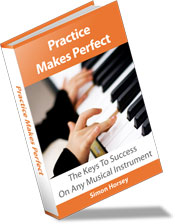
Frustrated with your practice? Read Practice Makes Perfect and hack the 10,000 hour rule. Cut your practice time by up to 25%! Make faster progress, learn pieces and scales faster, memorize more easily, and much more. "If you play an instrument you need this book!"
Recent Articles


-
Curdridge Parking
Jul 10, 25 06:11 PM
-
How To Speed Up Scales and Improve Accuracy
Oct 13, 24 04:23 AM
How to speed up scales is something many people want to know, but speed should also come with accuracy. Read on to find out how to do both. -
From an opera singer, on her death bed to Leonard Bernstein
Jan 29, 24 03:36 PM
I enjoy reading the music more than hearing it. From an opera singer, on her death bed to Leonard Bernstein
New! Comments
Have your say about what you've just read!Leave me a comment in the box below.